The Anchor Point: One Fixed Plan for an Open Weekend
One fixed plan for an open weekend gives a UK short break a clear centre while leaving room for unhurried meals, wandering and changes of mood.
One fixed plan for an open weekend can give a short break a centre without turning it into a timetable. Book one thing that matters to you—a timed museum entry, a garden visit or lunch with a friend—and let the rest of the weekend take its shape around that commitment.
The anchor is not a clever route or a list of alternatives. It is a point in the day that gives you a reason to arrive, a sense of when to pause and a natural opening for whatever catches your attention afterwards. Choose it well, and empty space feels intentional rather than like a planning failure.
What makes a good anchor point?
A useful anchor has a clear place and time, but does not demand a full day’s energy. A late-morning visit to a local museum, a booked tour of a distillery or a matinee performance can all work. The best choice depends on what you want from the break, not on how many attractions you can fit around it.
Think about the part of the weekend you most want to protect. If you have been looking forward to seeing a particular exhibition, make that the fixed point. If the pleasure is catching up with someone, agree a café or pub and a meeting time, then leave the surrounding hours open.
Keep the commitment easy to reach from where you are staying. A timed visit across town may bring a pleasant change of scene, but a long cross-city journey can quietly turn one fixed plan into several. Check the location on a map and consider the walk from the station or your accommodation before booking.
How do you build the weekend around it?
Start with the anchor, then add only the practical edges: getting there, having enough time to eat, and returning to your accommodation if you need a rest. These are supports, not extra attractions. Leave the rest of the day without bookings so you can respond to the place you find yourself in.
For a Friday-to-Sunday break, a simple rhythm might look like this:
- Before you go: choose the one fixed plan, check its booking conditions and note the nearest station or bus stop.
- Friday evening: arrive, check in and find an easy meal nearby. Avoid scheduling a second commitment after travel.
- Saturday morning: wake without an alarm if possible. Have breakfast and decide whether you would rather walk towards the anchor or take local transport.
- At the fixed point: give the visit or meeting your attention instead of watching the clock for the next booking.
- Afterwards: pause for a drink, browse nearby streets or return to your room. Choose based on your energy and interest.
- Sunday: leave space for breakfast and the journey home, with an optional short stop only if it fits comfortably.
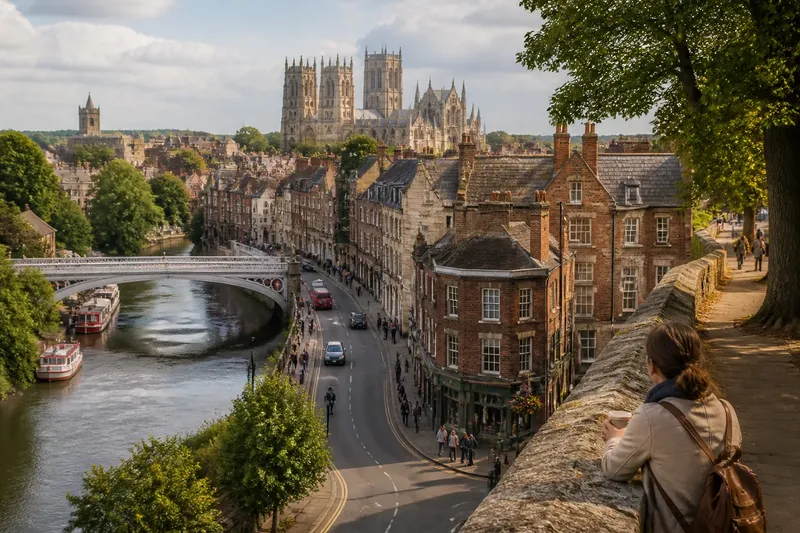
Say you are spending Saturday in York and have booked a morning visit to a small museum near the city centre. You arrive on Friday evening, sleep in, and walk to the museum after breakfast; afterwards, you choose a nearby café and let the afternoon unfold rather than committing to another venue. The observable result is a day with a clear starting point and enough room to linger, change direction or rest.
What should you leave unbooked?
Leave the activities whose appeal depends on how you feel in the moment. That might mean browsing independent shops, following a riverside path, stopping for tea or returning to a favourite pub. These are often easier to enjoy without a ticket time hovering in the background.
It can help to keep a small note on your phone with a few nearby possibilities, rather than turning them into a ranked itinerary. Add places you discover from a visitor map, a noticeboard at your accommodation or a recommendation from someone local. A short list gives you options without making you feel obliged to complete it.
Think of the unplanned portion as a choice you will make later, not a gap that needs filling now. If the weather is wet, you might choose a bookshop or covered market. If the sun appears, a park bench or longer walk may feel more inviting. The anchor stays put; your response to the day can change.
What if the fixed plan changes?
A cancelled booking or a delayed train need not collapse the whole weekend. Before leaving home, know the basic terms of the booking and keep the confirmation accessible. If a visit is called off, decide whether the most important part was the place itself, the time with a companion or simply having a reason to get out; that can point you towards a suitable substitute.
Keep any replacement deliberately modest. If the museum is closed, you might visit a nearby gallery or take a slow walk through the centre, but there is no need to recreate the original plan hour by hour. For tickets, transport and venue access, follow the relevant operator’s terms and local guidance.
If you are travelling with someone, agree in advance how much flexibility feels comfortable. One person may enjoy an unplanned afternoon while another prefers to know where lunch will be. A loose agreement—such as choosing lunch on the day but keeping the evening free—can make the open parts feel welcoming to both.
Which anchor point suits your kind of weekend?
Is a timed ticket a good anchor for a short break?
Yes, if the visit is a genuine priority and the time is convenient rather than forcing an awkward start. Leave a generous, unbooked stretch afterwards so the ticket shapes the day without dictating every stop.
Can a meal or a meeting count as the anchor?
It can, especially when the people or conversation are the main reason for travelling. Choose a place that is straightforward to reach, then keep the surrounding hours free of competing commitments.
Should you set an anchor for both days?
Usually one is enough for a short break that is meant to feel spacious. A second fixed point may suit a longer weekend or a special occasion, but consider whether it creates the calm you want or simply narrows your choices.
What if you do not want to book anything?
Use a light commitment instead, such as agreeing to walk to a particular neighbourhood after breakfast or meet a friend for a simple coffee. The point is to give the day a centre, not to make a booking for its own sake.
How can you tell if the plan has enough room?
Read the day from the perspective of a tired traveller. Is there time to check in, find food and get from one place to another without rushing? Could you skip the optional wandering and still feel the trip had a point? If the answer is yes, the plan is likely to leave useful breathing space.
Keep the anchor point visible in your notes, but resist turning the notes into a minute-by-minute schedule. A saved map pin, a booking confirmation and the name of a nearby place to eat may be all you need. One fixed plan for an open weekend works best when you can remember the centre of the day and forget the rest until it is time to choose.
Before you leave, ask yourself what you hope to notice or enjoy at the anchor, not what you need to accomplish around it. That small shift helps the fixed point serve the break, rather than making the break serve the plan.