The Itinerary That Leaves No Room to Arrive
A relaxed weekend itinerary makes space for arrival, meals and the character of a place, helping you enjoy a short break without rushing between stops.
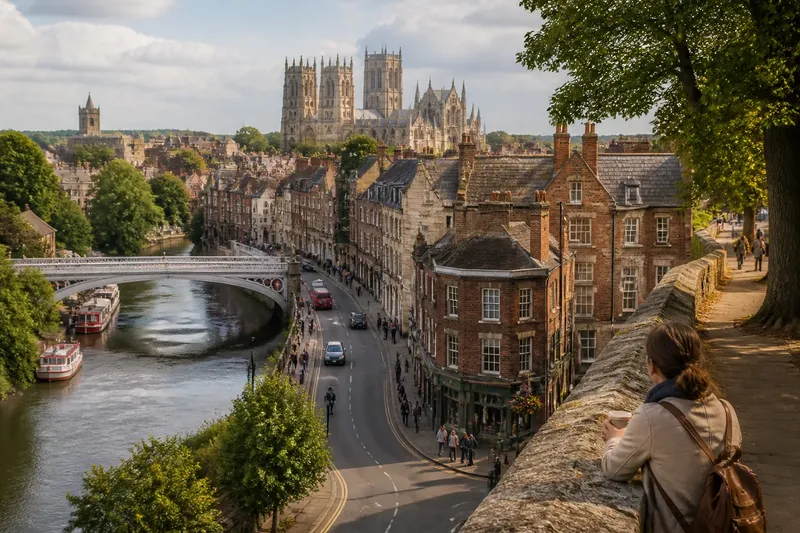
A weekend itinerary should make room for the journey into a place, not just the attractions waiting there. If you step off a train in York and head straight for a booked tour, you may miss the useful first moments: finding the exit, getting your bearings and noticing how the streets fit together.
That first impression is part of the visit. Instead of treating a town or city as a set of stops to tick off, plan around how you want to experience it: through its streets, its landscape, its food or the everyday details between the famous sights.
What does the place invite you to notice?
Before you fill your weekend itinerary, look at what makes the destination feel distinctive. In a coastal town, the tide and the seafront may shape a walk; in a city, a market, canal or old shopping street might give you a more revealing afternoon than another indoor attraction.
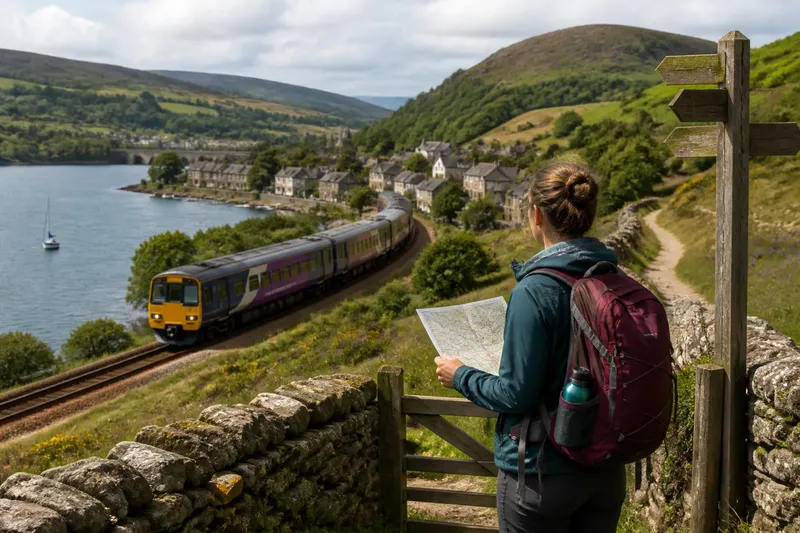
Use a local map, the visitor information centre or the destination’s official website to understand how its different areas connect. A place name on a map is not a promise that two stops belong naturally in the same outing: hills, river crossings and busy roads can change how a route feels on foot.
Choose one thread to follow rather than trying to collect every landmark. You might spend a morning around a harbour and its nearby streets, or follow a canal path towards a café, letting the setting guide the shape of the day.
How can you read a place before choosing your stops?
Look beyond the headline attraction. Check whether the destination has a historic centre, a working waterfront, a parkland edge or neighbourhoods with distinct character, then choose an area that suits the mood you want from the break.
Local details can help you decide. A market’s opening days, a walking route’s surface, a hill on the way back to the station or the location of public toilets may matter more to your day than another item on a sightseeing list. Check official venue and transport pages for current access and opening information.
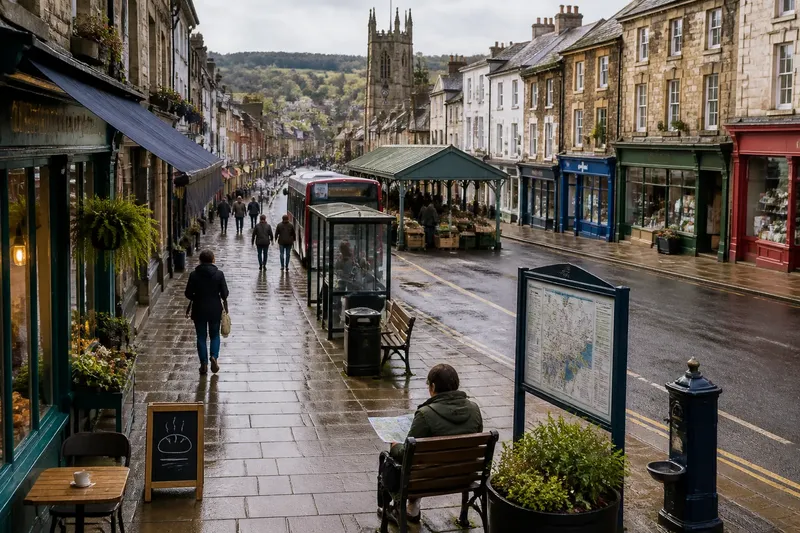
Think about what you would like to spend time doing, not only what you would like to see. Browsing a covered market, watching boats from a quay or sitting in a public garden can make a short visit feel connected to its setting.
What should guide your choice of area?
Base your plan on the kind of experience you want, then check whether the practical details support it. A compact historic centre may suit a walking day, while a spread-out destination might call for a bus journey between areas.
Before you decide, check these points and let each answer shape the plan:
- Distance between places: Check a walking map; if the route is compact and direct, link the stops on foot, but if it crosses a river or steep ground, choose one area or check local transport.
- Terrain: Look for hills, steps and uneven paths; if they fit your plans, keep the route, but if they would make the day uncomfortable, find a flatter alternative or use transport for that stretch.
- Opening arrangements: Check the venue’s own website; if entry fits your visit, include it, but if it is closed or requires a booking you do not want, choose a nearby public place instead.
- Weather exposure: Check the forecast and route; if the outing has useful indoor stops or shelter, keep it, but if it depends on exposed paths, switch to a sheltered street or indoor destination.
- Food nearby: Check a map for cafés, pubs or food shops in the area; if there are options that suit your needs, leave the meal choice open, but if not, identify a suitable place before setting out.
- Return connection: Check the relevant train or bus operator’s current information; if the route back is straightforward, keep the outing, but if services are limited, stay closer to your accommodation or plan the return first.
These checks are not a demand to plan every detail. They help you choose an area that fits the place and your own energy, so the day is built around a real setting rather than a chain of pins on a screen.
How do you choose a pace that suits the setting?
A day beside the sea has a different rhythm from an afternoon in a museum district. On a coastal walk, you might want space to watch the weather change; in a city, you may prefer to spend longer in one neighbourhood rather than repeatedly crossing the centre.
Let the physical character of the place shape your plans. A steep approach to a viewpoint, a long stretch without shelter or a busy market at lunchtime may call for a pause before or after, not another scheduled stop squeezed in around it.
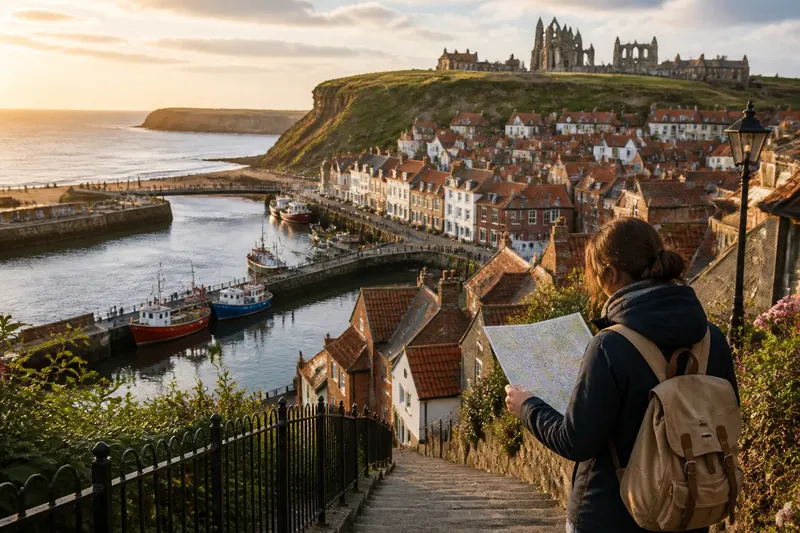
Say you are planning an invented weekend in Whitby and want both the harbour and the abbey. First, you check the map and see that reaching the abbey involves a climb, then check the abbey’s official opening information and the forecast. You choose the harbour area for the morning, stop for lunch before the climb, and keep the abbey as the afternoon’s main destination; if the weather turns, you swap the climb for exploring the town’s indoor options. The resulting plan follows the town’s landscape and gives you a clear choice, rather than treating every stop as equally easy to reach.
Which details should you check before setting off?
For a short break, a few reliable details can make the plan feel grounded. Check travel updates with National Rail or the relevant local bus operator, confirm venue arrangements on the venue’s own site, and use an up-to-date map to compare areas.
Look for information that changes how you experience the place: whether a footpath is accessible, where a ferry departs, or whether a market is open on the day you arrive. If an access requirement or health concern affects your plans, confirm the details directly with the venue or transport provider; a qualified professional can advise on individual health needs.
Keep the information you will need easy to reach, such as the accommodation address and any booking confirmation. That leaves you free to pay attention to the place rather than searching through messages at every turn.
What questions help you choose the right area?
Is the place best explored on foot or by bus?
Check the shape of the area, the terrain and local transport routes before deciding. If attractions sit close together on manageable streets, walking may suit; if they are spread out or separated by steep ground, use local transport or focus on one neighbourhood.
Should I visit the most famous attraction?
Check what interests you about it, along with its opening and entry arrangements. If it connects with the kind of weekend you want, make it a central part of the plan; if not, choose a nearby street, landscape or public space that appeals more.
How do I choose between the centre and the coast?
Compare the experience each area offers and how easily you can reach it from your accommodation. Choose the centre for streets, shops and indoor stops, or the coast for open views and a walk shaped by the weather and shoreline.
What if the weather changes my plans?
Check the forecast before leaving and identify an alternative in the same area, such as a museum, covered market or café. If the outdoor route no longer suits the conditions, switch to that option rather than travelling across town to rescue the original plan.
A good weekend itinerary is shaped by the place as much as by the list of things to do. Choose an area that matches the mood and effort you want from your break, and let its streets, views and local routines give the visit its character.
Before you set out, ask one useful question: what would make this particular place feel memorable to you? The answer may be a harbour walk, a market lunch or time in a garden, and it gives the weekend a distinct centre without requiring you to see everything.