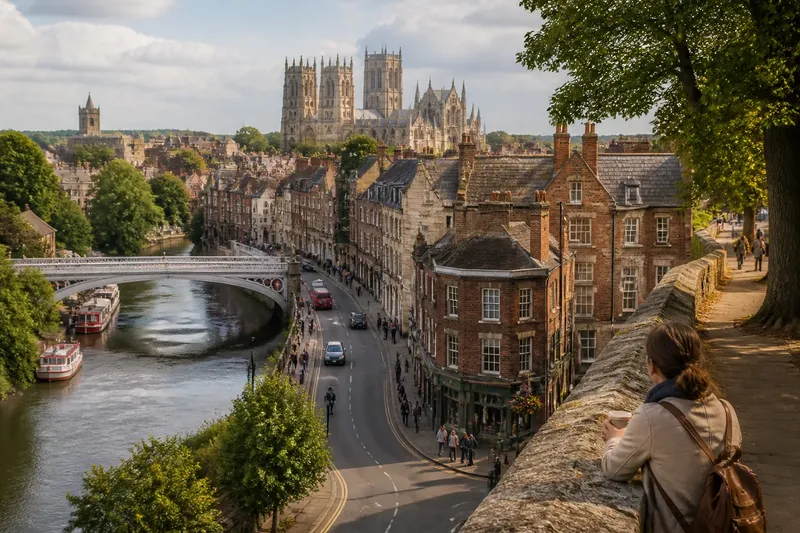
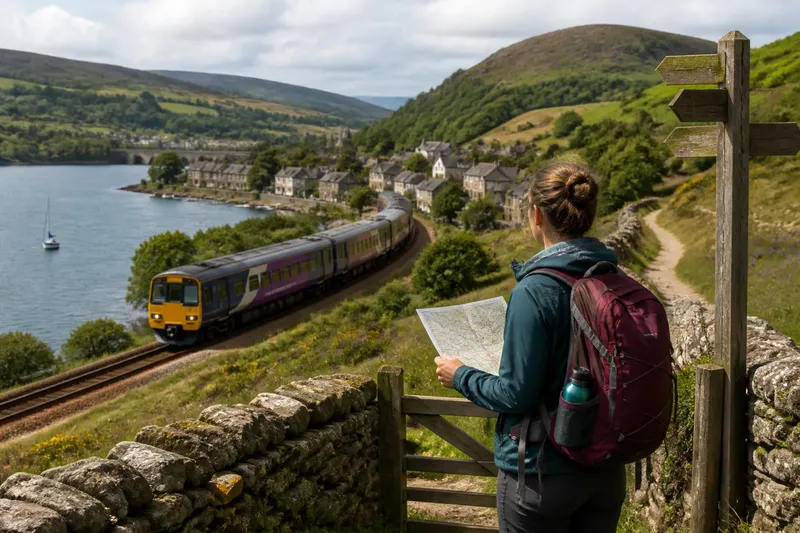
A Short Break in the Shoulder Season: What Changes First
Plan a UK shoulder-season short break around daylight, local opening patterns and seasonal character, so your days feel comfortable rather than rushed.

A UK shoulder-season short break works best when you plan around what the season changes locally: daylight, opening patterns and the feel of the place. A bright spring afternoon can arrive before a seaside café has reopened, while an autumn town may stay lively after a rural attraction has shut for the day.
These shifts are not just obstacles to work around. They can point you towards a different kind of weekend: a shorter coastal walk before dusk, a garden visit during spring growth, or an evening spent among the places locals use year-round.
What does shoulder season mean for a UK short break?
Shoulder season is the stretch between a destination’s busiest and quietest periods. There is no single calendar for it: a seaside town, university city and mountain village can each have different busy spells, shaped by school holidays, local events and visitor habits.
For a weekend away, ask what will be operating differently on your dates. A coastal path may be open while its seasonal café is still closed; a market town may keep its usual evening life while nearby gardens reduce their visiting hours.
That contrast can be part of the appeal. Instead of expecting a quieter version of a summer weekend, look for the seasonal details that give the place its current character.
How should daylight shape your plans?
Daylight sets the practical limits for outdoor activities. In late autumn, a long walk and a scenic drive may leave little time for a relaxed meal before dark; in spring, evenings lengthen while some local services may still be running on their winter pattern.
Check sunrise and sunset for your dates and destination, then put the activities that depend on natural light earlier in the day. A woodland trail, headland or rural bus journey needs a different slot from a museum or an evening meal in town.
Say you are spending a Saturday in Whitby in late October and want a coastal walk before supper. You check the local sunset time, choose a shorter route that returns towards town before dusk, and keep the harbour and an indoor attraction for later; the result is a walk with time to enjoy the view rather than hurry back in fading light.
Spring calls for a different adjustment. If evenings are lengthening but a seasonal attraction has not reopened, use the extra light for a town walk or a visit to a public garden that confirms its current hours, rather than assuming every summer activity is available.
Which seasonal details should you check before travelling?
Small museums, gardens, boat services, visitor centres and independent cafés can change their days or hours outside their busiest period. Check the venue’s own website or recent social updates for your specific date; a general listing may not reflect a seasonal change.
For public transport, consult the operator’s current timetable. Weekend and seasonal services can differ from weekday patterns, so check the last return journey as well as the outward trip.
Pay attention to service details, not only whether a place is open. A site might admit visitors only in the afternoon, a pub kitchen may stop serving before the bar closes, or a bus back from a rural walk may leave earlier than expected.
- Check the opening day and hours of the attraction that anchors your visit; if it is closed, choose a confirmed open garden, gallery or town walk instead.
- Check the café’s food-service hours, not just its door-opening time; if lunch service is limited, choose another place with confirmed hours or eat earlier.
- Check the last return bus or train from your planned stop; if it leaves before you can comfortably return, shorten the outing or stay nearer your accommodation.
- Check whether a seasonal boat, guided visit or small venue requires booking; if space is limited or booking is unavailable, choose a land-based alternative.
- Check the local forecast for wind and rain as well as temperature; if the exposed route looks uncomfortable, swap it for a sheltered town walk or indoor visit.
- Check the daylight window against the length and setting of your outdoor activity; if it leaves little margin before dusk, choose a shorter route or move the activity earlier.
How does a place feel outside its busiest season?
A quieter destination is not necessarily empty. You may notice delivery vans on the high street, school traffic, gulls around a harbour, or familiar faces gathering at the bakery and bus stop.
Fewer visitors can mean a peaceful promenade but fewer places serving lunch. A walking area may feel calm on the trail while its car park fills on a clear weekend, so the local rhythm matters as much as the season’s general reputation.
Notice when shops open, where people gather and how the town changes from morning to evening. Those clues can help you choose when to eat or whether to spend the brighter part of the day outdoors, without filling every hour.
Weather adds another layer. A mild day can feel exposed on a windy coast, while a grey afternoon may suit browsing a covered market. Take layers and waterproofs suited to the forecast, and favour activities that still appeal if conditions shift.
What do travellers ask about a shoulder-season short break?
Is spring or autumn better for a UK short break?
Neither suits every destination. Spring brings lengthening evenings and fresh growth; autumn can offer rich colour and a quieter atmosphere, so check local opening patterns alongside the kind of outdoor time you want.
Do attractions close outside summer?
Some seasonal attractions reduce their hours or close for part of the year, while others keep operating on a different schedule. Check the specific venue for your travel date and decide in advance what you will do if it is unavailable.
How can I plan a walk when it gets dark early?
Choose a route that fits the available daylight and set out earlier. Check the return transport before leaving, and keep a town-based or indoor activity for later in the day.
Will a quieter destination have fewer places to eat?
It may, particularly in places that depend on seasonal visitors. Check food-service hours before setting out and identify an alternative that is open on the same day.
What does a seasonal weekend look like in practice?
Imagine you have booked a Friday-to-Sunday stay in a fictional coastal town in early spring. Your starting information is a Saturday sunset time you have checked, a garden that opens only on Sunday, a café whose website lists weekend lunch hours, and a local bus timetable showing an earlier final return than you expected.
You first move the garden visit to Sunday, when it is open. Next, you choose a shorter Saturday coastal route and plan to return to town before dusk; because the last bus is early, you decide not to add a distant viewpoint. Finally, you use the café’s stated lunch hours to choose an arrival time and save a nearby gallery as an indoor option if the coast is too exposed. The resulting plan trades one far-flung stop for a comfortable walk, a confirmed garden visit and a meal that fits the café’s schedule.
How can you make the season part of the visit?
Choose activities for the conditions you actually have. A morning walk followed by a slow lunch may suit limited autumn light; a longer spring afternoon outdoors may make use of brighter evenings even when some summer services have yet to return.
For a UK shoulder-season short break, the most useful preparation is specific: check the daylight, confirm the opening and transport details that shape your plans, and notice what remains active in the place. A closed café or earlier bus can change the day’s shape, but a small adjustment often leaves more time to experience the destination as it is now.